
Reviews
This game stands out for its focus on emotional learning rather than competition or speed. The shopping setup adds a relatable context, while the caregiving sequence is clear and rewarding. Young players learn to associate helping with positive outcomes. The lack of text and forgiving pace make it accessible to the youngest users. Parents will appreciate the opportunity to discuss kindness and health in a low-pressure environment. It is a well-crafted tool for early childhood development that respects a child's natural curiosity about caring for others.
About this game
Gentle Caregiving at Home
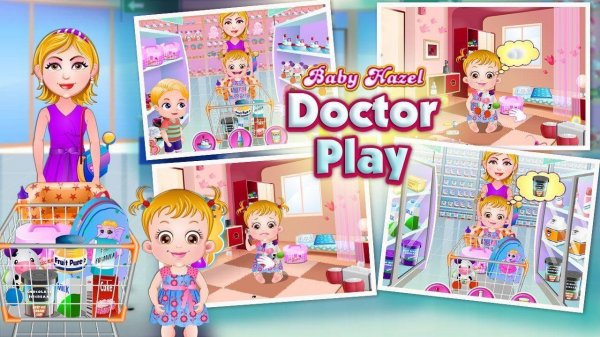
The adventure begins when a child notices a colorful play set during a family outing. Selecting this kit starts a sequence of nurturing actions. Later, when a favorite toy appears to be injured, the child steps into a helper role. Players guide the character through comforting steps, such as cleaning a pretend scrape and applying a soft bandage. Each action is accompanied by cheerful sounds and bright visuals that reinforce positive behavior. The scenario teaches young children that responding to someone in need can be a kind and rewarding experience. No reading is required, so even very young players can participate independently.
Simple Touch Controls
Interactions are designed for small hands. Players tap or click on highlighted areas to progress through the story. On-screen cues appear naturally, showing where to focus next. For example, after the toy gets a pretend bump, a gentle prompt appears near the bandage. Children learn to follow simple sequences without frustration. The pace is relaxed, allowing kids to explore each step at their own speed. There are no timers or penalties, which helps build confidence. This intuitive design makes the game accessible to children who are still developing fine motor skills.
Building Empathy Through Play
The core lesson revolves around understanding others' feelings. By caring for a toy, children practice recognizing when someone needs help. The game frames care as a series of small, manageable actions. Each completed step results in a positive reaction from the toy, reinforcing the idea that kindness has a visible effect. Parents can use these moments to talk about real-life situations, such as what to do when a friend gets a small scrape. The experience encourages children to see themselves as capable helpers, which supports social-emotional development in a safe, fictional setting.
Visual Style and Sound Design
The art uses bright, friendly colors with rounded shapes that appeal to young audiences. Characters have simple, expressive faces that show happiness or concern. Backgrounds depict familiar places like a store and a cozy room, making the setting relatable. Sound effects include soft, encouraging tones when tasks are completed correctly. There is no loud or startling audio, ensuring a calm atmosphere. The combination of visual cues and audio feedback helps children understand cause and effect. This thoughtful design keeps the focus on the nurturing storyline without unnecessary distractions.
Replay Value and Parent Involvement
Because the game is short and linear, children often want to play it multiple times. Repeating the caregiving sequence helps reinforce the steps of helping someone. Parents can sit with their child during the first few sessions to explain what each action means. Over time, children learn to complete the tasks on their own. The game also provides a natural conversation starter about health and kindness. While there are no hidden levels or unlockable items, the repetition itself becomes a learning tool. Each playthrough offers a consistent, comforting routine that young children enjoy.


Comments
Sign in to leave a review
No account? Create one
No comments yet.