

Reviews
Wellness Helper Dash stands out for its clever blend of arcade action and educational content. The gameplay is simple yet satisfying, requiring players to think quickly and act with care. The bright, friendly visuals create a welcoming atmosphere, and the gradual difficulty curve keeps things interesting without becoming frustrating. It is a rare game that is both fun and meaningful, making it a great choice for families and educators alike.
About this game
Core Gameplay Loop
Players take on the role of a helpful character who moves through a series of health-themed scenarios. The primary action involves selecting the right response to each patient's need, such as providing a bandage, offering a comforting word, or guiding someone to rest. Each scenario presents a new challenge that requires quick assessment and action. The game uses simple touch or mouse controls, making it easy for anyone to start playing. As players progress, the pace increases, demanding faster decision-making without sacrificing accuracy. This loop of observe, decide, and act forms the heart of the experience.
Visual Style and Atmosphere
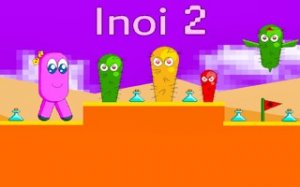
The game features bright, cartoon-like graphics with a warm color palette. Characters are drawn with friendly expressions, and the environments are clean and inviting. The user interface is clear, with large buttons and visual cues that guide the player. Background music is upbeat but not distracting, and sound effects provide positive feedback for correct actions. This design creates a stress-free atmosphere where players can focus on helping others. The overall look is polished and appropriate for all age groups, reinforcing the game's positive message.
Learning Through Play
Wellness Helper Dash integrates educational elements naturally into its gameplay. Each level introduces a different health-related concept, such as the importance of hydration, rest, or kindness. Players learn by doing, as they must apply these concepts to solve in-game challenges. The game does not lecture but instead rewards correct actions with points and progress. This approach makes learning feel like a natural part of the fun. Parents and educators may find this a useful tool for starting conversations about health and empathy with children.
Progression and Challenge
The game offers a gradual increase in difficulty. Early levels focus on single tasks with ample time, allowing players to learn the basics. Later levels introduce multiple patients with overlapping needs, requiring prioritization and efficient movement. The game provides clear feedback on performance, such as a score and a timer, but does not punish failure harshly. This design keeps the experience accessible while still offering a satisfying challenge for those who want to improve. Players can replay levels to achieve better scores, encouraging mastery.
Family and Multiplayer Aspects
While the game is primarily a single-player experience, its design encourages shared play. Family members can take turns, discuss strategies, or cheer each other on. The non-competitive nature of the game makes it suitable for cooperative play, where adults and children can play together without frustration. The simple controls and clear objectives mean that even young children can participate with minimal guidance. This makes it a good choice for family game time or classroom settings where collaboration is valued.








Comments
Sign in to leave a review
No account? Create one
No comments yet.