
Reviews
Thrust Navigator Challenge strips away unnecessary complexity and focuses on a tight, responsive control system. The obstacle patterns are well-designed, offering a steady increase in difficulty without feeling unfair. Platform placement adds a welcome strategic element, forcing players to balance risk and reward. The minimalist presentation keeps the action clear and readable. For players seeking a straightforward, skill-based arcade experience, this game delivers consistent, satisfying challenges.
About this game
Core Gameplay Loop
Players manage a character equipped with a vertical propulsion system. The primary action involves activating the propulsion to ascend and releasing it to descend. Success depends on reading the environment and making split-second decisions. Obstacles drift across the play area, and contact ends the current run. The loop is simple: navigate, avoid, and survive as long as possible.
Obstacle Layout & Movement
The environment features a variety of drifting objects that move at different speeds and trajectories. Some obstacles cluster together, while others appear in narrow corridors. Players must adjust their altitude and timing to slip through gaps. The layout changes with each session, preventing memorization and keeping the experience fresh. Over time, obstacle patterns become more complex, requiring sharper reflexes.
Platform Placement & Strategy
Scattered throughout the play area are stationary surfaces that allow the character to rest. Landing on these platforms halts the propulsion drain, giving players a moment to plan their next move. Choosing when to land and when to stay airborne is a key strategic element. Platforms are not always positioned conveniently, so players must decide whether to risk a long flight or seek a safe spot. This adds a layer of thoughtful decision-making to the reflex-based action.
Power-Up Encounters
Occasionally, floating items appear that grant temporary benefits. These may include a short burst of speed, a partial refill of propulsion energy, or a brief shield that protects against one collision. Power-ups are positioned in risky areas, so collecting them requires careful timing. Players must weigh the potential advantage against the danger of straying from a safe path. Effective use of these items can extend a run significantly.
Scoring & Progression
The scoring system rewards sustained flight time and successful obstacle avoidance. Each second spent airborne adds points, and landing on platforms grants a small bonus. The game tracks the highest score achieved, encouraging players to beat their own records. There are no levels or stages to complete; the challenge is purely about endurance and consistency. This design makes each session a self-contained test of skill.
Visual & Audio Presentation
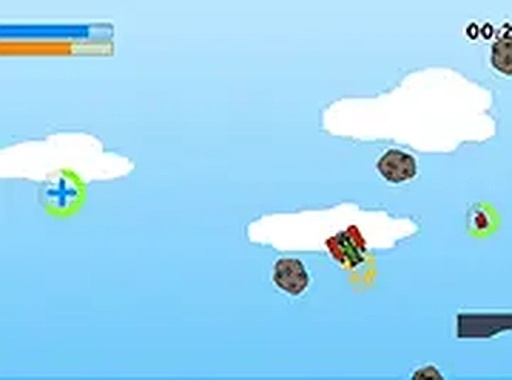
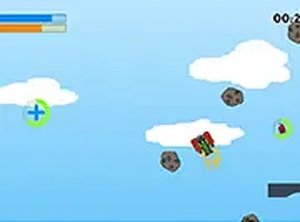
The game uses a clean, minimalist visual style with a dark space backdrop. Obstacles and platforms are clearly defined, making them easy to spot. The propulsion effect is accompanied by a subtle sound that indicates activation. Audio cues also signal when a power-up is collected or when a collision occurs. The overall presentation is functional and unobtrusive, allowing players to focus on the gameplay.



Comments
Sign in to leave a review
No account? Create one
No comments yet.