
Reviews
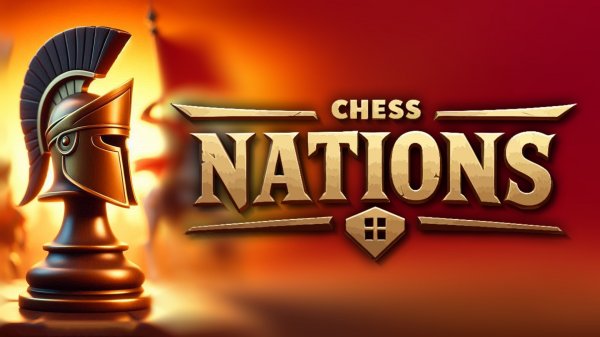
Nation Chess: Commanders of History targets chess players who want fresh problems without abandoning the core game. By tying starting positions to historical leaders, it forces players to think independently from the first move. The ranked leaderboard adds competitive motivation, and the family-friendly, educational framing widens its appeal. The main limitation is that layout details and the full commander roster are not specified in the available information, so players should check the game directly for those specifics.
About this game
How the Commander System Changes Chess
Nation Chess keeps the familiar objective of checkmate but replaces the fixed starting array with one determined by your chosen historical leader. Selecting Julius Caesar or Abraham Lincoln, for example, gives you a different nation and therefore a different piece arrangement. That single change ripples through the whole game: memorized opening lines become unreliable, and you have to assess the board from move one rather than reciting theory.
Strategic Adjustments and Player Skill
Because each nation presents its own layout, the game rewards flexibility alongside conventional chess knowledge. Controlling the center and developing pieces still matter, but the timing and method shift depending on where your pieces begin. New players can pick up the straightforward controls on desktop or mobile, while experienced chess players get a genuine test of adaptation. The design encourages repeated play with different commanders to learn how each layout plays.
Ranked Play and Progression
A ranked match system and leaderboard give structure to competitive play. Winning moves you up, and each match against an unfamiliar nation layout teaches you something about how that configuration behaves. The ranking details are not fully specified, but the presence of a leaderboard suggests a persistent incentive to improve and to experiment with more than one commander.
Educational and Family-Friendly Design
The historical theme introduces figures from different eras and nations, which can spark curiosity about the leaders represented. The game is explicitly family-friendly, so parents can feel comfortable letting children play. Chess itself promotes critical thinking, and the nation-based layouts add a layer of pattern recognition that rewards attention and practice.
Compatibility
FAQ
Comments
Sign in to leave a review
No comments yet.









Editorial Notes