Slide The Numbers Puzzle
Review
Slide The Numbers is a well-made puzzle game with a variety of patterns that keep each round interesting. The six board sizes allow for gradual difficulty increase. The one-time swap per game adds a helpful safety net without making it too easy. The achievements give a sense of progress. It is a solid choice for anyone who enjoys logic puzzles.
About This Game
Game Introduction
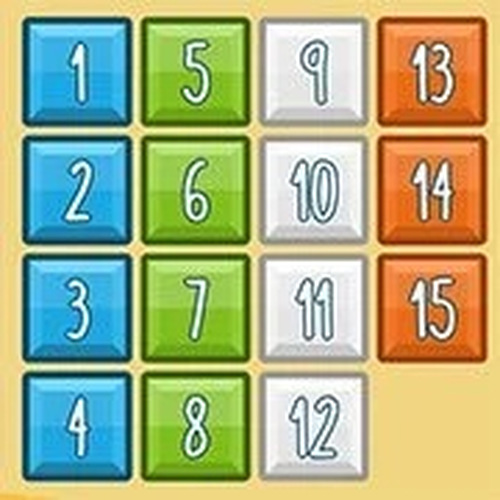
Slide The Numbers Puzzle Game is a casual, educational puzzle where players rearrange numbered tiles on a grid. The core objective is to slide tiles into an empty space until the numbers match a specific target pattern. This game offers a clean, thoughtful experience that challenges logical thinking and pattern recognition. It is well-suited for short breaks or longer play sessions, providing a relaxing yet mentally engaging activity. The game may include various modes that change how the numbers are sorted, such as by rows, columns, or diagonals, keeping the gameplay fresh and varied.
How to Play
Players typically tap or click on a number tile to slide it into the adjacent empty space. The goal is to arrange the numbers according to a pattern shown on the screen. For example, in some modes, numbers must be sorted from left to right, while in others they might need to be sorted from top to bottom or along diagonals. Some modes may require a zigzag or spiral arrangement. If players get stuck, they may have the option to exchange two numbers once per game to help solve the puzzle. Completing the pattern correctly results in a win.
Game Features
This puzzle game may offer multiple board sizes, such as 3x3, 4x4, 5x5, 6x6, 7x7, and 8x8, allowing players to adjust the difficulty. It likely includes several game modes, such as horizontal, vertical, diagonal, snake, and snail patterns. Players may have one number exchange per game to assist in solving puzzles. The game may feature achievements to unlock, providing ongoing goals. It is optimized for tablets and features HD graphics for a smooth visual experience.
Tips for Success
To improve at this puzzle game, practice regularly to become familiar with different pattern types. Start with smaller board sizes to learn the mechanics before moving to larger grids. Plan your moves ahead to avoid getting stuck, and use the number exchange wisely only when truly needed. Focus on moving tiles in a systematic order rather than randomly. Taking breaks can help maintain a clear mind, especially for more complex patterns. Learning common solving strategies for sliding puzzles can also be beneficial.